
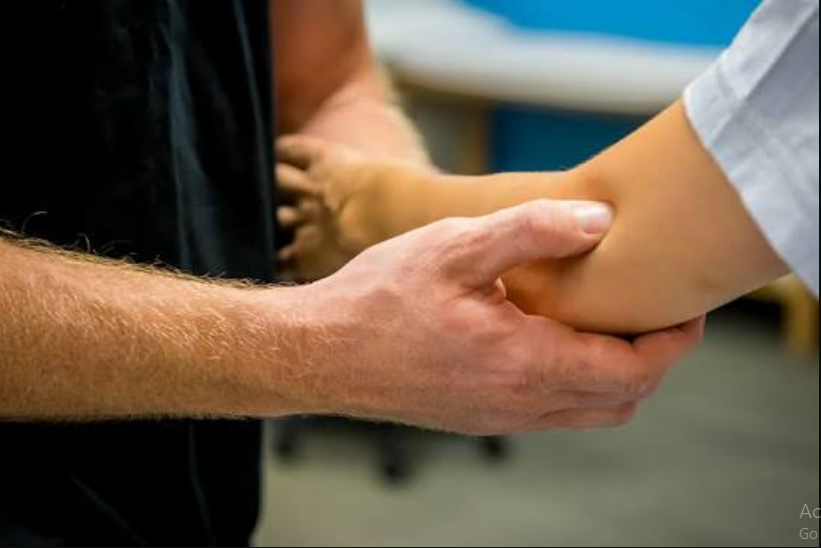
Tennis Elbow: Causes, Symptoms and How Physiotherapy Can Help
Tennis elbow is a common condition that causes pain around the outer side of the elbow. Despite its name, you do not have to play tennis to develop it. Repeated movements involving the hand, wrist, or forearm can place excessive stress on the tendons around the elbow.
Activities such as typing, lifting objects, using tools, playing sports, or performing repetitive work may contribute to tennis elbow. With appropriate activity modification and physiotherapy, many people can improve their symptoms, strength, and arm function.
What Is Tennis Elbow?
Tennis elbow, medically known as lateral epicondylitis, affects the tendons that connect the forearm muscles to the outer part of the elbow.
Repeated strain can irritate or overload these tendons. As a result, you may experience pain while gripping objects, lifting something, or moving your wrist.
Importantly, tennis elbow can affect people who do not play tennis. Anyone who regularly performs repetitive wrist or forearm movements may experience this condition.
Common Causes of Tennis Elbow
Tennis elbow generally develops due to repeated stress on the muscles and tendons rather than one sudden injury.
Repetitive Wrist Movements
Frequent wrist movements can place additional stress on the forearm tendons. Typing, painting, cooking, writing, or certain manual activities may contribute to the problem.
Sports Activities
Tennis, badminton, cricket, weight training, and other activities involving repeated arm movements may increase stress on the elbow.
Incorrect Exercise or Sports Technique
Poor technique while exercising or playing sports can place unnecessary pressure on the wrist, forearm, and elbow.
Repetitive Work
People who regularly use tools, carry objects, type for long periods, or perform repeated hand movements may develop tendon irritation over time.
Sudden Increase in Activity
A sudden increase in workout intensity, sports practice, or physical workload may overload the muscles and tendons around the elbow.
Symptoms of Tennis Elbow
Tennis elbow symptoms can develop gradually and may become more noticeable during everyday activities.
Common symptoms include:
- Pain on the outer side of the elbow
- Tenderness around the elbow
- Pain while gripping objects
- Discomfort when lifting a cup, bag, or other object
- Pain during certain wrist movements
- Reduced grip strength
- Difficulty performing repetitive hand movements
- Increased discomfort after physical activity
Initially, the pain may be mild. However, continuing the activity that is causing the strain may gradually increase discomfort and affect everyday movements.
Who Is More Likely to Develop Tennis Elbow?
Tennis elbow can occur in different age groups, particularly among adults who regularly use their hands and arms.
People involved in sports, construction, computer-based work, manufacturing, household activities, or other repetitive tasks may experience increased stress around the elbow.
The condition is not limited to one profession or activity. Therefore, identifying the movements that trigger your symptoms is an important part of physiotherapy assessment.
How Is Tennis Elbow Diagnosed?
A physiotherapist or doctor may begin by discussing your symptoms, work routine, exercise habits, and daily activities.
The assessment may include checking:
- Elbow and wrist movement
- Forearm muscle function
- Grip strength
- Tenderness around the elbow
- Movements that reproduce your symptoms
In many cases, a physical assessment provides useful information. If symptoms are unusual, severe, persistent, or suggest another condition, additional medical evaluation or investigations may be recommended.
An accurate assessment helps determine whether physiotherapy is appropriate and which treatment techniques and exercises may be suitable.
How Can Physiotherapy Help With Tennis Elbow?
Tennis elbow physiotherapy in Gurugram can help address pain, weakness, movement problems, and activity-related strain.
At Swastik Healthcare, Dr. Rubi Yadav can assess your symptoms and develop a physiotherapy plan according to your condition and daily activity requirements.
Pain Management
Appropriate physiotherapy techniques may help manage pain and make everyday elbow and wrist movements more comfortable.
Stretching Exercises
Gentle stretching may help improve flexibility in the wrist and forearm muscles. Exercises should be selected according to your symptoms and physical condition.
Strengthening Exercises
Gradual strengthening of the forearm and wrist muscles can improve their ability to handle daily activities, work-related movements, and exercise.
Movement Correction
Your physiotherapist may assess how you use your wrist, elbow, and shoulder during different activities. Improving movement patterns may help reduce unnecessary stress on the affected area.
Activity Modification
You may need to temporarily modify activities that aggravate your symptoms. Physiotherapy guidance can help you remain active while reducing excessive stress on the elbow.
Gradual Return to Activities
As symptoms and strength improve, exercises and activities can be progressed gradually. This can support a safer return to work, sports, exercise, and normal daily activities.
Simple Tips to Manage Tennis Elbow
Along with professional physiotherapy guidance, some everyday habits may help reduce stress on the elbow.
- Avoid movements that consistently increase your pain.
- Take regular breaks during repetitive activities.
- Maintain proper technique during exercise and sports.
- Avoid suddenly increasing workout intensity.
- Follow the exercises recommended by your physiotherapist.
- Pay attention to your grip and wrist position during work.
- Give your arm adequate recovery time after demanding activities.
When Should You See a Physiotherapist?
Persistent elbow pain should not be ignored, particularly when it starts affecting your work, exercise, or everyday activities.
Consider a professional physiotherapy assessment if:
- Elbow pain continues for several days or keeps returning.
- You have difficulty gripping or lifting objects.
- Your grip strength has noticeably decreased.
- Pain affects your work or sports activities.
- Symptoms are gradually becoming worse.
- Home care has not provided sufficient improvement.
Early assessment can help identify contributing factors and create an appropriate rehabilitation plan.
Tennis Elbow Treatment in Gurugram
If you are looking for tennis elbow treatment in Gurugram, physiotherapy can be an important part of managing symptoms and improving arm function.
At Swastik Healthcare, Sector 31, Gurugram, Dr. Rubi Yadav provides physiotherapy care based on individual assessment and recovery needs.
Depending on your condition, physiotherapy may include:
- Therapeutic exercises
- Forearm strengthening
- Flexibility exercises
- Movement correction
- Activity modification
- Gradual rehabilitation
- Guidance for returning to work, exercise, or sports
The treatment approach is designed around your symptoms, activity level, and functional requirements.
Physiotherapy for Tennis Elbow in Sector 31, Gurugram
For people experiencing persistent elbow pain in Sector 31, Gurugram, getting an appropriate assessment can help identify the movements or activities contributing to the problem.
At Swastik Healthcare, the focus is on understanding the cause of your symptoms and developing a suitable physiotherapy plan. Dr. Rubi Yadav can guide you through exercises and rehabilitation strategies aimed at improving strength, movement, and everyday function.
Why Early Physiotherapy Assessment Matters
Ignoring tennis elbow symptoms while continuing repetitive activities may continue to place stress on the affected area.
A physiotherapy assessment can help you understand:
- Which activities may be aggravating your symptoms
- How your elbow and wrist are moving
- Whether weakness is affecting your function
- Which exercises may be appropriate
- How to gradually return to normal activities
Following a structured rehabilitation plan can help you manage the condition while working toward improved arm function.
About Dr. Rubi Yadav
Dr. Rubi Yadav is a Senior Physiotherapist and the Owner of Swastik Healthcare in Gurugram.
Her physiotherapy approach focuses on assessing individual movement problems and creating treatment plans according to the patient’s condition, symptoms, and functional needs.
For people experiencing tennis elbow or other musculoskeletal concerns, professional assessment can help determine an appropriate physiotherapy approach.
Visit Swastik Healthcare in Gurugram
If elbow pain is interfering with your work, exercise, sports, or daily activities, consider getting a professional physiotherapy assessment.
Swastik Healthcare
1542, opposite Dainik Bazar, Housing Board Colony, Sector 31, Gurugram
For tennis elbow symptoms, Dr. Rubi Yadav can assess your condition and guide you through an appropriate physiotherapy and rehabilitation plan.
Conclusion
Tennis elbow can affect more than athletes. Repetitive wrist movements, sports activities, incorrect technique, physical workload, and sudden increases in activity can all contribute to excessive stress around the elbow.
Physiotherapy can help address pain, flexibility, strength, movement patterns, and activity-related factors. If elbow pain continues or starts affecting your everyday activities, a professional assessment can help identify the problem and guide you toward an appropriate treatment approach.
FAQs
1. Can tennis elbow occur without playing tennis?
Yes. Repetitive wrist and forearm movements from work, exercise, household activities, or other sports can contribute to tennis elbow.
2. Can physiotherapy help with tennis elbow?
Yes. Physiotherapy may help manage pain, improve flexibility, strengthen the forearm, and gradually restore normal movement and function.
3. How long does tennis elbow take to improve?
Recovery varies from person to person. Factors such as symptom severity, daily activities, workload, and consistency with the recommended treatment plan can influence recovery.
4. Should I stop exercising if I have tennis elbow?
You may need to modify or temporarily avoid activities that significantly worsen your symptoms. A physiotherapist can guide you regarding suitable exercises and activity levels during recovery.
5. Can tennis elbow come back?
Yes. Returning to repetitive activities too quickly or continuing the factors that contributed to the problem may increase the risk of recurring symptoms. Gradual strengthening, appropriate technique, and activity management can support long-term recovery.
Website : https://www.swastikhealthcare.com/