
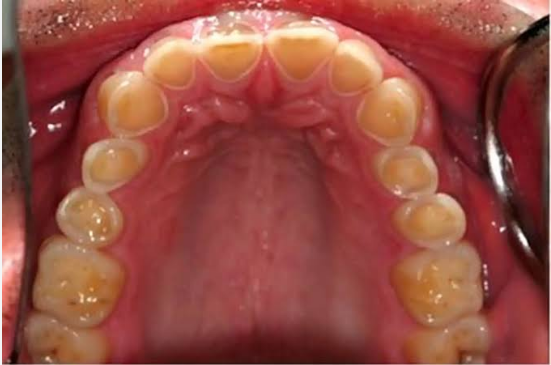
Tooth Erosion: Causes, Early Signs and Ways to Protect Your Enamel
Tooth enamel is the hard outer layer that protects your teeth from daily pressure, temperature changes, and acids. However, repeated exposure to acids can gradually wear away this protective layer. This process is known as tooth erosion.
Unlike tooth decay, which is mainly linked to bacteria and plaque, tooth erosion is primarily caused by acids. Once enamel becomes significantly damaged, the body cannot naturally grow it back. Therefore, recognising the early signs and taking preventive steps can help protect your teeth.
If you are looking for tooth erosion treatment in Gurugram, a dental examination can help identify enamel damage and guide appropriate preventive or restorative care.
What Is Tooth Erosion?
Tooth erosion occurs when acids gradually dissolve the minerals in tooth enamel. These acids can come from foods and drinks or, in some cases, from stomach acid.
Enamel does not contain living cells, so the body cannot regenerate lost enamel. However, early mineral loss may sometimes be managed with appropriate oral care and fluoride exposure.
At Swastik Healthcare in Sector 31, Gurugram, Dr. Amit Yadav can examine your teeth for signs of enamel wear and recommend suitable dental care.
Common Causes of Tooth Erosion
Several factors can contribute to enamel erosion.
Acidic Foods and Drinks
Frequent consumption of acidic foods and beverages can expose teeth to acids. Common examples include:
- Soft drinks
- Energy drinks
- Sports drinks
- Citrus fruits and juices
- Flavoured carbonated drinks
- Vinegar-based foods
- Certain acidic sauces
The frequency of exposure can matter because repeated acid attacks give the enamel less time to recover.
Acid Reflux
Stomach acid can reach the mouth in people with acid reflux or gastroesophageal reflux. Repeated exposure to stomach acid may contribute to enamel erosion.
Frequent Vomiting
Repeated vomiting can expose the teeth to stomach acid. People experiencing frequent vomiting should discuss the underlying cause with a healthcare professional.
Dry Mouth
Saliva helps neutralise acids and supports the natural remineralisation process. Reduced saliva flow can therefore make teeth more vulnerable to acid-related enamel damage.
Aggressive Brushing
Brushing with excessive force, particularly soon after consuming acidic foods or drinks, may contribute to enamel and dentin wear.
Using a soft-bristled toothbrush and gentle brushing technique can help protect the tooth surface.
Early Signs of Tooth Erosion
Tooth erosion can develop gradually, so early signs may be easy to overlook.
Tooth Sensitivity
One of the common early symptoms is sensitivity to cold, hot, sweet, or acidic foods and drinks.
As enamel becomes thinner, the underlying dentin can become more exposed and sensitive.
Yellowish Appearance
Enamel is naturally lighter in colour than dentin. When enamel becomes thinner, the yellowish colour of the underlying dentin may become more noticeable.
Smooth or Shiny Tooth Surfaces
Erosion can change the natural texture of the tooth. Some areas may appear unusually smooth, rounded, or shiny.
Increased Tooth Transparency
The edges of some teeth may appear more transparent as enamel becomes thinner.
Small Cracks or Changes in Shape
Advanced enamel wear can change the shape of the teeth or contribute to small chips and irregular edges.
If you notice these changes, a dental examination can help determine whether enamel erosion or another dental condition is responsible.
Tooth Erosion vs Tooth Decay
Tooth erosion and tooth decay are different problems, although both can damage teeth.
Tooth erosion mainly occurs because acids wear away the mineral structure of the tooth.
Tooth decay develops when bacteria in plaque produce acids that damage the tooth after consuming sugars and carbohydrates.
A person can experience both conditions at the same time. Therefore, proper dental evaluation is important when changes in the teeth are noticed.
How Can You Protect Your Tooth Enamel?
You cannot completely prevent every source of acid exposure, but several daily habits can help reduce enamel damage.
Reduce Acidic Drinks
Try to limit frequent consumption of soft drinks, energy drinks, and other acidic beverages.
When you do consume acidic drinks, avoiding prolonged sipping can reduce the amount of time your teeth remain exposed to acid.
Drink Water
Water can help rinse the mouth and support saliva production. Drinking water after acidic foods or drinks may help reduce the amount of acid remaining in the mouth.
Do Not Brush Immediately After Acidic Foods
Acid temporarily softens the enamel surface. Brushing immediately after an acidic meal or drink may increase mechanical wear.
Waiting for some time before brushing can help reduce this risk.
Use a Soft-Bristled Toothbrush
A soft-bristled toothbrush and gentle brushing technique can help protect the enamel and gums.
Avoid using excessive force while brushing.
Use Fluoride Toothpaste
Fluoride can strengthen tooth enamel and help protect against mineral loss. Brushing twice daily with fluoride toothpaste is an important part of routine dental care.
Avoid Frequent Snacking on Acidic Foods
Repeated acid exposure throughout the day can increase the amount of time teeth remain in an acidic environment. Try to keep acidic food and drink consumption limited rather than having small amounts repeatedly throughout the day.
Manage Acid Reflux
If you frequently experience acid reflux, discuss it with a doctor. Managing the underlying condition can help reduce repeated exposure of your teeth to stomach acid.
Can Tooth Enamel Grow Back?
Lost enamel does not grow back naturally. However, early stages of mineral loss may sometimes benefit from fluoride and saliva-assisted remineralisation.
Once significant enamel has been lost, a dentist may recommend preventive or restorative treatment depending on the condition of the teeth.
This is why identifying enamel damage early is important.
Tooth Erosion Treatment in Gurugram
Treatment depends on the amount of enamel loss and the underlying cause.
During a dental examination, Dr. Amit Yadav can evaluate the condition of your teeth and identify visible signs of enamel wear. Depending on the findings, dental care may include:
- Fluoride-based preventive measures
- Advice about diet and acidic food consumption
- Oral hygiene guidance
- Management of tooth sensitivity
- Treatment of associated dental problems
- Restorative dental procedures when significant tooth structure has been lost
The best approach depends on the individual’s oral health and the extent of enamel damage.
If you are searching for tooth erosion treatment in Sector 31, Gurugram, an early dental evaluation can help prevent further damage and protect your remaining enamel.
When Should You See a Dentist?
Consider scheduling a dental examination if you notice:
- Persistent tooth sensitivity
- Yellowing or increased tooth transparency
- Unusual smoothness of the teeth
- Changes in tooth shape
- Small chips or cracks
- Pain while consuming acidic or cold foods
- Frequent acid reflux with noticeable changes in your teeth
Early evaluation can help identify enamel wear before it becomes more extensive.
About Dr. Amit Yadav
Dr. Amit Yadav provides dental care at Swastik Healthcare, Sector 31, Gurugram. He provides dental evaluation and guidance for various oral health concerns, including preventive dental care and conditions affecting the teeth and gums.
If you are concerned about tooth sensitivity, enamel wear, or changes in the appearance of your teeth, a dental assessment can help determine the appropriate next step.
Visit Swastik Healthcare in Sector 31, Gurugram
If you notice early signs of tooth erosion or want professional advice about protecting your enamel, consider consulting a dentist.
Swastik Healthcare
542, Opposite Dainik Bazar, Housing Board Colony, Sector 31, Gurugram, Haryana – 122001
Consult Dr. Amit Yadav for dental evaluation and personalised oral health guidance.
Conclusion
Tooth erosion is a gradual process that can weaken the protective enamel covering your teeth. Frequent exposure to acidic foods and drinks, stomach acid, dry mouth, and aggressive brushing can contribute to enamel wear.
Sensitivity, yellowish appearance, smooth tooth surfaces, and changes in tooth shape can be early warning signs. Reducing acid exposure, maintaining good oral hygiene, using fluoride toothpaste, and brushing gently can help protect your enamel.
If you notice signs of enamel erosion, tooth erosion treatment in Gurugram should begin with a professional dental assessment. Dr. Amit Yadav at Swastik Healthcare, Sector 31 can evaluate your teeth and provide appropriate guidance based on your oral health needs.
Frequently Asked Questions
What is the main cause of tooth erosion?
Acid exposure is the main cause of tooth erosion. Acids may come from acidic foods and drinks or from stomach acid associated with conditions such as acid reflux.
Can tooth erosion cause sensitivity?
Yes. As enamel becomes thinner, the underlying dentin may become exposed, which can increase sensitivity to cold, hot, sweet, or acidic foods and drinks.
Can damaged tooth enamel grow back?
Lost enamel does not naturally grow back. However, early mineral loss may sometimes be supported through saliva, fluoride, and appropriate preventive dental care.
Is tooth erosion the same as a cavity?
No. Tooth erosion is primarily caused by acid wearing away the tooth surface, while cavities are associated with bacterial activity and acid production within dental plaque.
How can I protect my teeth from erosion?
Limit frequent acidic foods and drinks, drink water regularly, use fluoride toothpaste, brush gently with a soft-bristled toothbrush, and maintain regular dental check-ups.
When should I visit a dentist for tooth erosion?
Visit a dentist if you experience persistent sensitivity, changes in tooth shape or colour, increased transparency, or other noticeable changes in your enamel.