
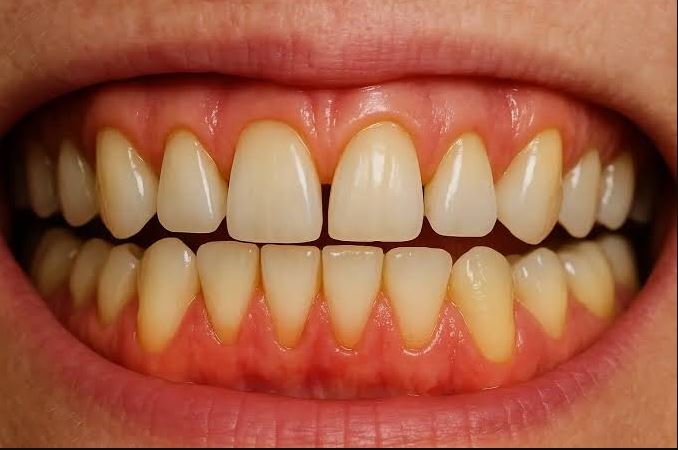
Receding Gums: Early Warning Signs, Causes and Treatment Options in Gurugram
Have you noticed that your teeth look longer than before or that your teeth have become more sensitive to hot and cold foods? These changes may indicate receding gums. This condition occurs when the gum tissue gradually moves away from the teeth, exposing more of the tooth surface or its roots.
Receding gums can develop slowly, so many people do not notice the problem in its early stages. However, timely dental care can help identify the cause, protect the exposed tooth surfaces, and reduce the risk of further gum damage.
If you are looking for receding gums treatment in Gurugram, Dr. Amit Yadav at Swastik Healthcare, Sector 31, Gurugram, can assess your gum health and recommend suitable treatment based on your condition.
What Are Receding Gums?
Gum recession occurs when the gum tissue surrounding a tooth gradually pulls back or wears away. As a result, more of the tooth becomes visible, and the root surface may become exposed.
Unlike the crown of a tooth, the root does not have the same protective enamel covering. Therefore, exposed roots may become sensitive and more vulnerable to root cavities.
Gum recession can affect one tooth or several teeth. It may develop because of gum disease, aggressive brushing, thin gum tissue, or other factors.
Importantly, receding gums do not usually grow back naturally. However, appropriate treatment can help manage the cause, protect the teeth, and prevent further damage.
Early Warning Signs of Receding Gums
Recognising the early symptoms can help you seek dental care before the condition progresses.
1. Teeth Look Longer Than Before
One of the most noticeable signs is that your teeth appear longer. This happens because the gums move away from the tooth surface and expose more of it.
2. Tooth Sensitivity
You may feel discomfort when consuming hot, cold, sweet, or acidic foods and drinks. Exposed root surfaces can make the teeth more sensitive to these triggers.
3. Visible Gaps Near the Gumline
Small spaces may appear between the teeth and gums. You might also notice dark spaces between teeth where the gums have receded.
4. Bleeding or Swollen Gums
Bleeding during brushing, redness, or gum swelling may indicate inflammation or gum disease. Although these symptoms do not always mean gum recession, they should not be ignored.
5. Food Getting Trapped Between Teeth
Changes in the gumline can create spaces where food becomes trapped more easily. This may increase discomfort and make cleaning more difficult.
6. Loose Teeth in Advanced Cases
Severe gum disease can damage the tissues and bone that support teeth. In advanced cases, teeth may become loose. This requires prompt dental assessment.
What Causes Receding Gums?
Several factors can contribute to gum recession. Identifying the underlying cause helps a dentist recommend the right treatment.
Gum Disease
Gum disease is a major cause of gum recession. Plaque buildup can cause inflammation, and advanced periodontal disease may damage the gums and supporting bone.
Without appropriate treatment, this damage can progress and affect the stability of the teeth.
Brushing Too Hard
Using excessive pressure while brushing or using a hard-bristled toothbrush may contribute to gum irritation and tissue wear over time.
Instead, use a soft-bristled toothbrush and gentle circular movements. Avoid scrubbing aggressively along the gumline.
Poor Oral Hygiene
When plaque remains on the teeth, it can harden into tartar. Tartar buildup can irritate the gums and increase the risk of gum disease.
Regular brushing, cleaning between the teeth, and professional dental examinations can help maintain healthier gums.
Tobacco Use
Smoking and other forms of tobacco use can increase the risk of gum disease and interfere with gum health. Avoiding tobacco can support better oral health.
Teeth Grinding or Clenching
Repeated excessive forces on the teeth may contribute to dental problems. Although grinding is not the only cause of gum recession, your dentist may assess your bite and signs of clenching when appropriate.
Naturally Thin Gum Tissue
Some people naturally have thinner gum tissue or a gum structure that makes recession more likely. In these cases, careful brushing and regular monitoring may be particularly important.
Misaligned Teeth or Dental Factors
The position of the teeth and certain dental or orthodontic factors may affect the thickness and distribution of the surrounding gum tissue. A dentist can evaluate these factors during an examination.
How Is Gum Recession Diagnosed?
A dentist can assess gum recession by examining the teeth and surrounding tissues. They may measure the depth of the gum pockets, check for bleeding and inflammation, and assess whether plaque or tartar is present.
Depending on your symptoms, dental X-rays may be recommended to evaluate the supporting bone and identify other problems.
The examination helps determine whether the recession is associated with gum disease, brushing habits, tooth position, or another cause. This information guides the treatment plan.
Receding Gums Treatment in Gurugram
The right treatment depends on the severity of the recession and its underlying cause. Not every patient needs surgery. In many cases, professional cleaning, improved oral hygiene, and treatment of gum disease can help control the problem.
Professional Dental Cleaning
If plaque and tartar have accumulated around the teeth, professional cleaning can help remove these deposits.
When gum disease affects the deeper tissues, a dentist may recommend scaling and root planing to clean below the gumline and manage the infection.
Improved Brushing and Flossing Techniques
Your dentist can demonstrate how to clean your teeth without placing excessive pressure on the gums.
Using a soft-bristled toothbrush, fluoride toothpaste, and appropriate interdental cleaning methods can help protect your gums and reduce the risk of further irritation.
Treatment for Tooth Sensitivity
Exposed roots can cause sensitivity to hot and cold foods. Depending on the condition, your dentist may recommend desensitising toothpaste, fluoride treatments, or other protective measures.
These treatments can reduce sensitivity, although they do not replace the lost gum tissue.
Treatment for Gum Disease
If gum recession is linked to periodontal disease, controlling the infection is an important priority.
Treatment may include professional cleaning, deeper periodontal cleaning, and ongoing maintenance visits. Advanced cases may require specialist periodontal care.
Gum Grafting Surgery
For selected patients with significant recession, a dentist or periodontist may recommend gum grafting. This procedure adds tissue to the affected area to cover exposed roots or increase the thickness of the gum tissue.
Gum grafting may improve gum coverage, reduce sensitivity, and help protect the exposed root. Suitability depends on the location and severity of the recession and the health of the surrounding tissues.
Treatment for Grinding or Clenching
If you grind or clench your teeth, your dentist may recommend measures to manage the excessive forces. In suitable cases, a custom night guard may help protect the teeth from grinding-related damage.
Can Receding Gums Grow Back Naturally?
Unfortunately, lost gum tissue generally does not grow back on its own. However, early treatment can help control the underlying cause and reduce the chance of further recession.
For example, treating gum disease and improving brushing techniques may help stabilise gum health. In selected cases, gum grafting may restore some coverage over exposed roots.
The earlier the problem is assessed, the better the opportunity to protect the remaining gum tissue.
How Can You Prevent Gum Recession?
Although not every cause of gum recession can be prevented, healthy daily habits can lower the risk of gum problems.
- Brush twice daily with a soft-bristled toothbrush.
- Use gentle pressure rather than scrubbing forcefully.
- Clean between your teeth every day.
- Arrange regular dental checkups and professional cleaning when recommended.
- Avoid tobacco products.
- Seek advice about persistent teeth grinding or clenching.
- Do not ignore bleeding, swelling, or increasing tooth sensitivity.
Consistency matters. A simple oral care routine can help reduce plaque buildup and support healthier gums over time.
When Should You Visit a Dentist?
Arrange a dental examination if you notice that your teeth look longer, your roots are becoming visible, or sensitivity continues despite using appropriate toothpaste.
You should also seek advice if your gums bleed regularly, become swollen, or appear to be pulling away from the teeth.
Loose teeth, pus around the gums, or significant swelling require prompt dental assessment. Early diagnosis can help prevent avoidable damage to the tissues supporting your teeth.
Receding Gums Treatment at Swastik Healthcare, Sector 31, Gurugram
If you are experiencing gum recession or persistent tooth sensitivity, professional assessment can help identify the cause and guide appropriate treatment.
At Swastik Healthcare, Sector 31, Gurugram, Dr. Amit Yadav provides dental care for a range of tooth and gum concerns. Patients seeking a dentist in Gurugram can discuss symptoms, oral hygiene practices, and available treatment options during their consultation.
The treatment plan may include professional cleaning, gum disease management, sensitivity control, preventive guidance, or referral for specialised periodontal treatment when required.
The goal is to protect the remaining gum tissue, maintain tooth support, and help you preserve your natural teeth for as long as possible.
Conclusion
Receding gums can develop gradually, but early warning signs such as longer-looking teeth, exposed roots, and tooth sensitivity should not be ignored. Gum disease, aggressive brushing, tobacco use, and individual gum structure can all contribute to the condition.
Although lost gum tissue generally does not return naturally, suitable treatment can help control the cause and protect your oral health. If you need receding gums treatment in Gurugram, consult Dr. Amit Yadav at Swastik Healthcare, Sector 31, for an assessment and personalised dental advice.
Maintaining good oral hygiene and attending regular dental checkups can help reduce the risk of further gum problems.
Frequently Asked Questions
1. What is the main cause of receding gums?
Gum disease and aggressive brushing are common contributors. Other factors include naturally thin gum tissue, tobacco use, and certain dental conditions.
2. Can receding gums be treated without surgery?
Yes. Depending on the cause and severity, treatment may include professional cleaning, gum disease management, improved brushing techniques, and products to reduce sensitivity. Surgery may be considered in selected cases.
3. Is gum recession a serious dental problem?
It can become serious if it progresses. Exposed roots may develop sensitivity or root cavities, while recession associated with advanced gum disease may involve damage to the supporting bone.
4. Does brushing harder make teeth cleaner?
No. Brushing too hard can irritate the gums and may contribute to tissue wear. A soft-bristled toothbrush and gentle technique are generally recommended.
5. When should I seek receding gums treatment in Gurugram?
Consult a dentist if you notice exposed roots, teeth that appear longer, persistent sensitivity, or frequent gum bleeding. A dental examination can identify the cause and help determine suitable treatment.
6. Who can I consult for gum problems in Sector 31, Gurugram?
You can consult Dr. Amit Yadav at Swastik Healthcare, Sector 31, Gurugram, for an assessment of gum recession and guidance on appropriate dental care.