
Dental Sealants for Adults and Children: How They Protect Teeth from Decay
Dental cavities are among the most common oral health problems in both children and adults. Although regular brushing, flossing, and dental check-ups help prevent tooth decay, some areas of the teeth can be harder to clean.
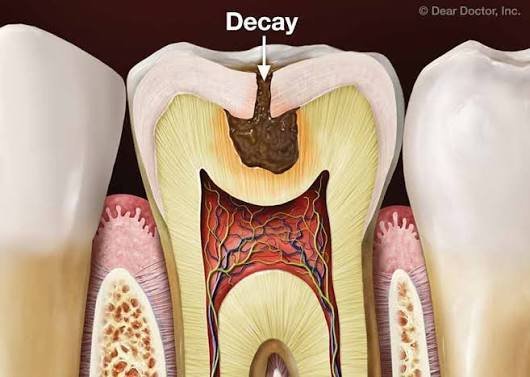
In particular, the grooves and pits on the chewing surfaces of back teeth can trap food particles and plaque. Dental sealants provide an additional layer of protection by covering these vulnerable areas and helping reduce the risk of cavities.
At Swastik Healthcare in Sector 31, Gurugram, Dr. Amit Yadav provides dental care focused on preventive oral health and maintaining healthy teeth.
What Are Dental Sealants?
Dental sealants are thin protective coatings applied to the grooves and pits of teeth. They are commonly placed on the chewing surfaces of molars and premolars.
These teeth have natural grooves that can collect food particles and plaque. Even with regular brushing, some of these areas can be difficult to clean thoroughly.
How Dental Sealants Work
Once applied, the sealant covers the deeper grooves on the tooth surface. This creates a smoother surface and reduces areas where food particles and bacteria can collect.
Dental sealants do not replace brushing or flossing. Instead, they provide additional protection as part of a complete preventive dental care routine.
Why Are Back Teeth More Prone to Cavities?
Molars and premolars have uneven chewing surfaces with small pits and grooves. These areas can make plaque removal more difficult.
Common Reasons for Decay in Grooved Teeth
- Food particles can become trapped in deep grooves.
- Plaque may remain in areas that are difficult to brush.
- Bacteria can produce acids that damage tooth enamel.
- Children may not always brush every surface thoroughly.
- Frequent sugary snacks and drinks can increase cavity risk.
Therefore, protecting these vulnerable surfaces may be useful for people who have teeth with deep grooves or an increased risk of decay.
Who Can Benefit From Dental Sealants?
Dental sealants are commonly considered for children and teenagers because newly erupted permanent molars may be vulnerable to cavities. However, adults can also benefit from sealants when their teeth have suitable grooves and do not have untreated decay.
Dental Sealants May Be Recommended For
- Children with newly erupted permanent molars
- Teenagers with deep tooth grooves
- Adults who are prone to cavities
- People with difficult-to-clean molars
- Patients with a history of dental decay
A dentist should examine the teeth first and determine whether sealants are appropriate.
How Are Dental Sealants Applied?
Dental sealant placement is generally a quick procedure. When a tooth is healthy and suitable for sealing, drilling is usually not required simply for sealant placement.
Step 1: Dental Examination
First, the dentist examines the tooth and checks for signs of decay or other dental problems.
Step 2: Professional Cleaning
The tooth is cleaned to remove plaque and food particles from the chewing surface.
Step 3: Tooth Preparation
The tooth surface is prepared so that the sealant can bond properly to the enamel.
Step 4: Sealant Application
The dentist places a thin layer of sealant into the grooves and pits of the tooth.
Step 5: Curing
A special dental light may be used to harden the material and secure it to the tooth.
The process generally takes only a few minutes per tooth.
Benefits of Dental Sealants
Dental sealants can provide several preventive benefits for suitable patients.
Helps Prevent Cavities
By covering deep grooves, sealants can reduce areas where plaque and food particles can accumulate.
Protects Vulnerable Tooth Surfaces
The sealant creates a protective barrier over the chewing surface of the tooth.
Quick and Simple Procedure
Sealant placement is generally a short preventive dental procedure and does not usually require extensive treatment.
Useful for Children
Sealants can help protect newly erupted permanent molars during the years when children are still developing consistent brushing habits.
Supports Preventive Dental Care
Sealants work alongside brushing, flossing, fluoride use, healthy eating habits, and regular dental examinations.
Are Dental Sealants Safe?
Dental sealants have been used as a preventive dental treatment for many years. Your dentist can examine your teeth and recommend an appropriate material based on your individual oral health needs.
Sealants should be placed by a qualified dental professional after checking the condition of the tooth.
At Swastik Healthcare, Sector 31, Gurugram, Dr. Amit Yadav can assess your teeth and determine whether dental sealants are suitable for you or your child.
Do Adults Need Dental Sealants?
Yes, some adults can benefit from dental sealants. Age alone does not determine whether sealants are appropriate.
Adults May Consider Dental Sealants If
- Their molars have deep grooves.
- They frequently develop cavities.
- Certain teeth are difficult to clean.
- They want additional preventive protection.
- A dentist identifies specific teeth with a higher risk of decay.
A dental examination can help determine whether sealants are a suitable preventive option.
Dental Sealants for Children
Children can benefit from preventive dental care because permanent molars may be susceptible to cavities soon after they erupt.
Why Parents May Consider Dental Sealants
- They help protect hard-to-clean chewing surfaces.
- They provide additional cavity protection.
- The procedure is generally quick.
- Major alteration of a healthy tooth is usually not required for sealant placement.
- They complement regular brushing and dental check-ups.
Parents should continue teaching children good oral hygiene even after sealants are placed.
How Long Do Dental Sealants Last?
Dental sealants can remain effective for several years. However, their condition can change because of normal chewing, eating habits, and other factors.
Regular Dental Check-Ups Are Important
During routine dental examinations, the dentist can check whether the sealant remains intact. If a portion becomes worn or damaged, the dentist can determine whether repair or replacement is needed.
Dental Sealants vs Regular Brushing
Sealants and brushing serve different purposes.
Brushing helps clean the surfaces of teeth, while sealants provide additional protection to specific grooves and pits.
A Complete Cavity Prevention Routine Includes
- Brushing twice a day with fluoride toothpaste
- Cleaning between teeth regularly
- Limiting frequent sugary snacks and drinks
- Visiting the dentist for routine examinations
- Considering dental sealants when recommended
- Maintaining good daily oral hygiene
Together, these habits can support better long-term oral health.
What Happens If a Tooth Already Has Decay?
Dental sealants are primarily a preventive treatment. Therefore, a tooth with existing decay may require a different treatment rather than simply placing a sealant.
Your dentist will examine the tooth and recommend the appropriate option. Depending on the condition, treatment may involve a filling or another restorative procedure.
Dental Sealants in Gurugram at Swastik Healthcare
If you are looking for dental sealants in Gurugram for yourself or your child, a professional dental examination can help determine whether sealants are appropriate.
At Swastik Healthcare, Sector 31, Gurugram, Dr. Amit Yadav provides dental care based on individual oral health needs.
Dental sealants may be considered when teeth have deep grooves or other characteristics that make them more susceptible to plaque accumulation and decay.
The treatment plan can be discussed after examining the condition of the teeth and assessing the patient’s cavity risk.
Preventive Dental Care in Sector 31, Gurugram
Preventive dentistry focuses on protecting your teeth and identifying potential oral health concerns before they become more serious.
Regular dental examinations can help identify:
- Early signs of tooth decay
- Plaque and tartar accumulation
- Areas that are difficult to clean
- Teeth with deep grooves
- Gum-related concerns
- Existing dental problems requiring treatment
Dr. Amit Yadav can evaluate your oral health and recommend suitable preventive or restorative dental care according to your needs.
About Dr. Amit Yadav
Dr. Amit Yadav is a dentist at Swastik Healthcare in Sector 31, Gurugram.
His dental care includes preventive dentistry and treatments focused on maintaining oral health and addressing individual dental concerns.
If you are considering dental sealants for yourself or your child, a professional examination can help determine whether this preventive treatment is suitable.
Visit Swastik Healthcare for Dental Care in Gurugram
If you want to know whether dental sealants can help protect your or your child’s teeth from cavities, consider a professional dental consultation.
Swastik Healthcare
1542, Opposite Dainik Bazar, Housing Board Colony, Sector 31, Gurugram, Haryana – 122001
For dental sealants and other dental concerns, you can consult Dr. Amit Yadav at Swastik Healthcare.
Conclusion
Dental sealants are a preventive option that can help protect the grooves and pits of molars and premolars from tooth decay. They can be useful for children, teenagers, and selected adults, particularly when certain teeth are difficult to clean or have a higher risk of cavities.
However, sealants are not a replacement for brushing, flossing, or regular dental check-ups. Instead, they provide an additional layer of protection as part of a complete oral hygiene routine.
If you are looking for dental sealants in Gurugram, consult Dr. Amit Yadav at Swastik Healthcare, Sector 31, for a professional dental examination and personalised preventive care guidance.
Frequently Asked Questions
1. What are dental sealants?
Dental sealants are thin protective coatings placed over the grooves and pits of teeth to help reduce the risk of cavities.
2. Are dental sealants only for children?
No. Although they are commonly considered for children and teenagers, some adults can also benefit from dental sealants.
3. Is applying dental sealants painful?
Sealant placement is generally quick and does not usually require injections or drilling when a healthy tooth is suitable for sealing.
4. Do dental sealants replace brushing?
No. Sealants provide additional protection, but regular brushing, flossing, healthy eating habits, and dental check-ups remain important.
5. How long do dental sealants last?
Dental sealants can last for several years, although their condition should be checked during regular dental examinations.
6. Can adults get dental sealants?
Yes. Adults with suitable tooth grooves or an increased risk of cavities may be considered for dental sealants after a dental examination.
7. Can children get dental sealants?
Yes. Dental sealants are commonly considered for children when permanent molars and other suitable teeth have deep grooves that may be difficult to clean.
8. Where can I get dental sealants in Gurugram?
You can consult Dr. Amit Yadav at Swastik Healthcare, Sector 31, Gurugram, for a dental examination and guidance regarding dental sealants and preventive oral care.
Website : https://www.swastikhealthcare.com/