
Plantar Fasciitis Treatment in Gurugram: Causes, Symptoms, Heel Pain Relief and Physiotherapy
Heel pain can make simple activities such as walking, standing, climbing stairs, or exercising uncomfortable. One common cause of persistent heel pain is plantar fasciitis, a condition involving irritation or overload of the plantar fascia, a strong band of connective tissue underneath the foot.
People experiencing ongoing heel pain in Gurugram may benefit from a proper assessment to understand the underlying cause. With appropriate physiotherapy, stretching, strengthening, activity modification, and gradual rehabilitation, many people can manage plantar fasciitis symptoms and return to their regular activities.
At Swastik Healthcare in Sector 31, Gurugram, Dr. Rubi Yadav provides physiotherapy and rehabilitation care for musculoskeletal and orthopaedic conditions.
What Is Plantar Fasciitis?
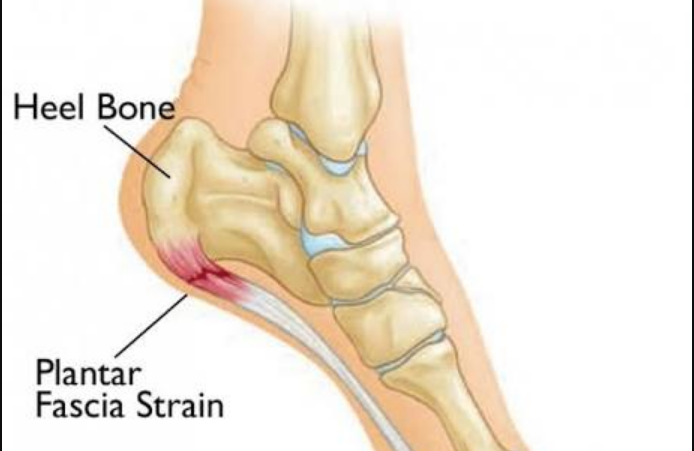
The plantar fascia is a thick band of connective tissue that extends from the heel bone toward the toes. It helps support the arch of the foot and absorbs stress during walking, running, and other weight-bearing activities.
Repeated stress or excessive loading can irritate the plantar fascia. This may cause pain, stiffness, and tenderness around the heel.
Plantar fasciitis can develop in people who:
- Walk or run frequently
- Stand for long hours
- Suddenly increase physical activity
- Have tight calf muscles
- Wear poorly supportive footwear
- Have certain foot structures
- Perform repetitive activities that place stress on the feet
Common Causes of Plantar Fasciitis
Plantar fasciitis generally develops because of repeated stress rather than one specific injury.
Excessive Walking or Running
Long-distance walking, running, or suddenly increasing exercise intensity can place additional stress on the plantar fascia.
Prolonged Standing
People who stand for several hours at work may experience increased pressure on their feet and heels.
Tight Calf Muscles
Reduced flexibility in the calf and ankle can increase the amount of stress placed on the plantar fascia during movement.
Unsupportive Footwear
Shoes without suitable cushioning or support may increase stress on the feet, especially during prolonged walking or standing.
Sudden Increase in Physical Activity
Starting a new exercise routine or increasing walking, running, or sports activities too quickly can overload the plantar fascia.
Foot Structure
Flat feet, high arches, and other variations in foot structure can affect how pressure is distributed during walking and other activities.
Symptoms of Plantar Fasciitis
The most common symptom is pain underneath or around the heel.
Common symptoms include:
- Sharp heel pain during the first few steps in the morning
- Pain after sitting or resting for a long time
- Heel discomfort after prolonged standing
- Pain during or after walking
- Tightness around the sole of the foot
- Tenderness near the heel
- Discomfort after running or exercise
Some people notice that the pain becomes less intense after moving for a while but returns after prolonged activity or rest.
Why Is Heel Pain Worse in the Morning?
Morning heel pain is a common feature of plantar fasciitis.
While you sleep, the plantar fascia remains relatively relaxed. When you get up and take your first few steps, the tissue is suddenly stretched and loaded. This can produce a sharp or uncomfortable sensation around the heel.
Although morning pain is commonly associated with plantar fasciitis, persistent heel pain can have several possible causes. A professional assessment can help identify the reason for your symptoms.
Who Is More Likely to Develop Plantar Fasciitis?
Certain factors may increase the risk of plantar fasciitis, including:
- Regular running or high-impact exercise
- Long periods of standing
- Sudden increases in physical activity
- Tight calf or foot muscles
- Poorly supportive footwear
- Repetitive stress on the feet
- Certain foot structures
- Increased physical load on the feet
Having one or more of these factors does not necessarily mean that you will develop plantar fasciitis. Individual assessment is important when heel pain continues or interferes with daily activities.
How Can Physiotherapy Help With Plantar Fasciitis?
Plantar fasciitis physiotherapy in Gurugram focuses on improving flexibility, strength, mobility, and the ability of the foot and lower limb to tolerate everyday activities.
Depending on your symptoms and assessment, physiotherapy may include:
Stretching Exercises
Calf and plantar fascia stretching may help improve flexibility and reduce stiffness around the foot and ankle.
Foot and Ankle Strengthening
Strengthening the muscles of the foot, ankle, and lower leg can improve support and help the foot manage daily activities.
Manual Therapy
Depending on the individual’s condition, a physiotherapist may use appropriate hands-on techniques to address mobility restrictions and soft-tissue tightness.
Movement and Gait Assessment
Your walking and movement patterns may be assessed to identify factors that could be increasing stress on the foot.
Activity Modification
Temporarily modifying activities that significantly aggravate symptoms may help manage heel pain while maintaining appropriate movement.
Gradual Return to Exercise
As symptoms improve, exercises and activities can be progressed gradually to restore strength and prepare the foot for normal activities and sports.
Simple Heel Pain Relief Tips
Along with professional guidance, some simple measures may help manage plantar fasciitis symptoms:
- Avoid suddenly increasing your walking or running distance.
- Wear comfortable footwear with appropriate support.
- Stretch your calf muscles if advised by a physiotherapist.
- Avoid prolonged standing when pain is significant.
- Take appropriate breaks during repetitive activities.
- Follow your physiotherapy exercise programme consistently.
- Gradually return to high-impact activities.
- Avoid exercises that significantly increase your pain.
Exercises Commonly Used for Plantar Fasciitis
A physiotherapist can recommend exercises according to your symptoms, mobility, strength, and activity level.
Calf Stretch
Gentle calf stretching may help improve ankle flexibility and reduce stress on the tissues underneath the foot.
Plantar Fascia Stretch
Specific stretching techniques can gently mobilise the plantar fascia and surrounding tissues.
Foot Strengthening Exercises
Controlled toe and foot exercises may help improve muscle strength and foot control.
Heel Raises
Progressive heel-raise exercises can help strengthen the calf and foot muscles when appropriate.
Exercises should be performed with proper technique and progressed gradually. If an exercise significantly increases pain, discuss it with a qualified physiotherapist.
When Should You See a Physiotherapist for Heel Pain?
Consider professional assessment if:
- Heel pain continues for several weeks.
- Morning heel pain keeps returning.
- Walking or standing becomes uncomfortable.
- Pain affects your exercise routine.
- Symptoms are gradually becoming worse.
- Home measures are not providing sufficient improvement.
A proper assessment can also help determine whether your heel pain is related to plantar fasciitis or another condition.
Dr. Rubi Yadav – Physiotherapist in Gurugram
Dr. Rubi Yadav is a Senior Physiotherapist and the Owner of Swastik Healthcare in Sector 31, Gurugram.
She provides physiotherapy and rehabilitation care focused on helping patients manage pain, improve mobility, restore strength, and return to their daily activities.
Her physiotherapy approach may include therapeutic exercises, manual therapy, mobility training, strengthening exercises, rehabilitation, and activity guidance according to the patient’s condition and requirements.
If you are looking for a physiotherapist in Gurugram for persistent heel pain, plantar fasciitis, or other musculoskeletal concerns, you can consult Dr. Rubi Yadav at Swastik Healthcare.
Plantar Fasciitis Treatment in Gurugram at Swastik Healthcare
If heel pain is affecting your walking, work, exercise, or daily routine, a physiotherapy assessment can help identify factors contributing to your symptoms.
At Swastik Healthcare, Sector 31, Gurugram, physiotherapy and rehabilitation care can be tailored according to individual needs.
Treatment may involve:
- Physiotherapy assessment
- Therapeutic exercises
- Flexibility training
- Strengthening exercises
- Manual therapy
- Mobility training
- Activity modification
- Gradual rehabilitation
The goal is to help manage symptoms, improve foot function, and support a gradual return to normal activities.
Visit Swastik Healthcare for Physiotherapy in Gurugram
If you are experiencing persistent heel pain, morning heel pain, or discomfort while walking and standing, consider getting a professional assessment.
Swastik Healthcare
542, Opposite Dainik Bazar, Housing Board Colony, Sector 31, Gurugram, Haryana
For physiotherapy and rehabilitation-related concerns, patients can consult Dr. Rubi Yadav at Swastik Healthcare.
Conclusion
Plantar fasciitis can make everyday activities such as walking, standing, and exercising uncomfortable. Sharp heel pain during the first few steps in the morning, stiffness after rest, and tenderness around the heel are common symptoms.
Appropriate management may include activity modification, stretching, strengthening, mobility exercises, and physiotherapy. Recovery can vary depending on the severity of symptoms and individual contributing factors.
If you are looking for plantar fasciitis treatment in Gurugram, a professional assessment can help determine an appropriate rehabilitation plan.
You can visit Dr. Rubi Yadav at Swastik Healthcare, Sector 31, Gurugram, for physiotherapy assessment and personalised rehabilitation guidance.
FAQs
1. What is the main symptom of plantar fasciitis?
The most common symptom is pain underneath or near the heel, often noticeable during the first few steps after waking up or after a period of rest.
2. Can physiotherapy help plantar fasciitis?
Physiotherapy may help improve flexibility, strength, mobility, foot function, and tolerance for daily activities.
3. Is walking good for plantar fasciitis?
Gentle activity may be suitable for some people, but excessive walking can aggravate symptoms. Activity should be adjusted according to symptoms and professional guidance.
4. Can plantar fasciitis go away?
Many people improve with conservative management, activity modification, and rehabilitation. Recovery time varies between individuals.
5. What type of shoes are suitable for plantar fasciitis?
Comfortable footwear with suitable cushioning and support may help reduce stress on the foot. A physiotherapist can provide personalised advice according to your foot structure and activities.
6. Where can I get plantar fasciitis treatment in Gurugram?
You can consult Dr. Rubi Yadav at Swastik Healthcare, Sector 31, Gurugram, for assessment and physiotherapy guidance for heel pain and related musculoskeletal concerns.
website : https://www.swastikhealthcare.com/